DermLens
Professional Dermoscopy Solutions. For Modern Clinical Practice.
Precision optics. Thoughtful design. Built around the needs of modern clinicians.
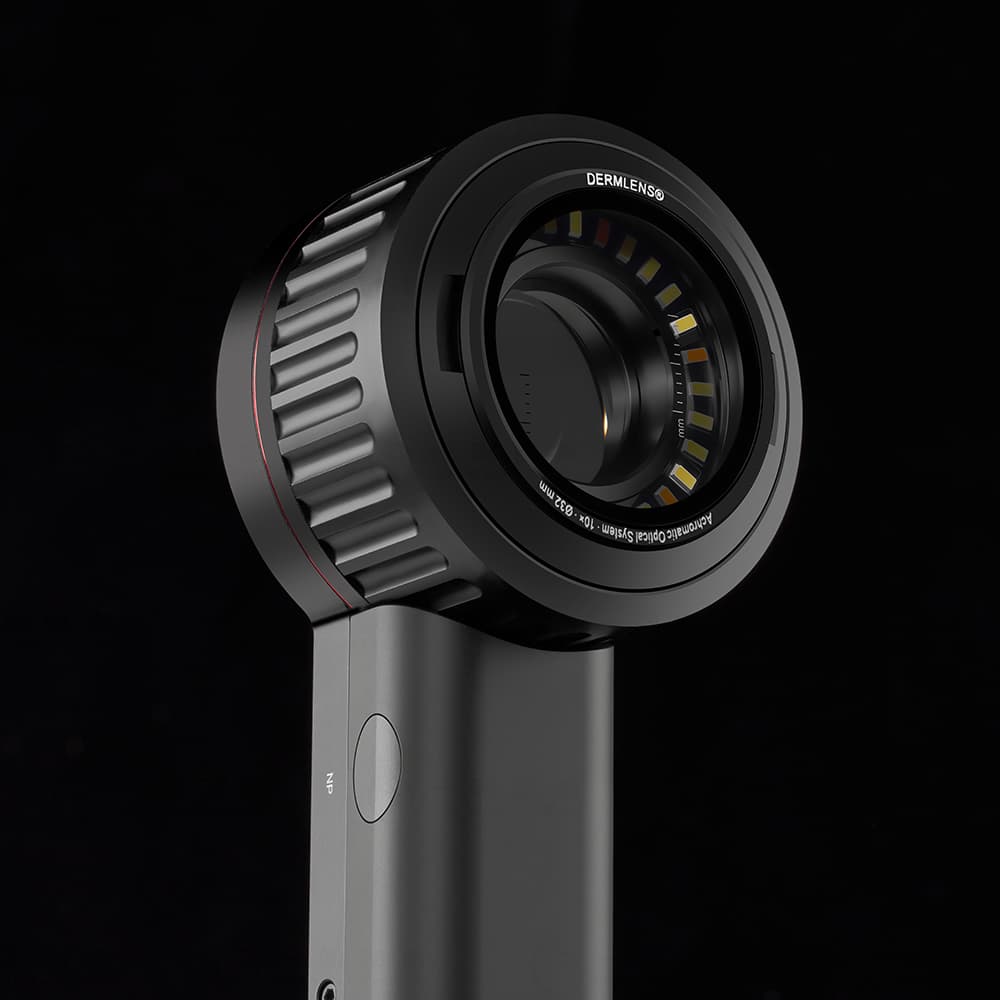
Designed for clinical practice
Dermoscopy, thoughtfully designed.
DermLens develops professional dermoscopy solutions combining precision optics, intuitive design and modern digital imaging — created around the way clinicians examine, capture and document skin lesions.
01
Optical clarity
High-quality optical systems designed for detailed dermoscopic examination.
02
Clinical usability
Thoughtful features developed around real-world clinical workflows.
03
Connected imaging
Simple integration with modern smartphone photography and documentation.
Explore DermLens
Dermoscopes built for modern practice.
Discover the DermLens range of professional dermatoscopes, designed to bring optical clarity, practical functionality and digital imaging together in a compact clinical platform.
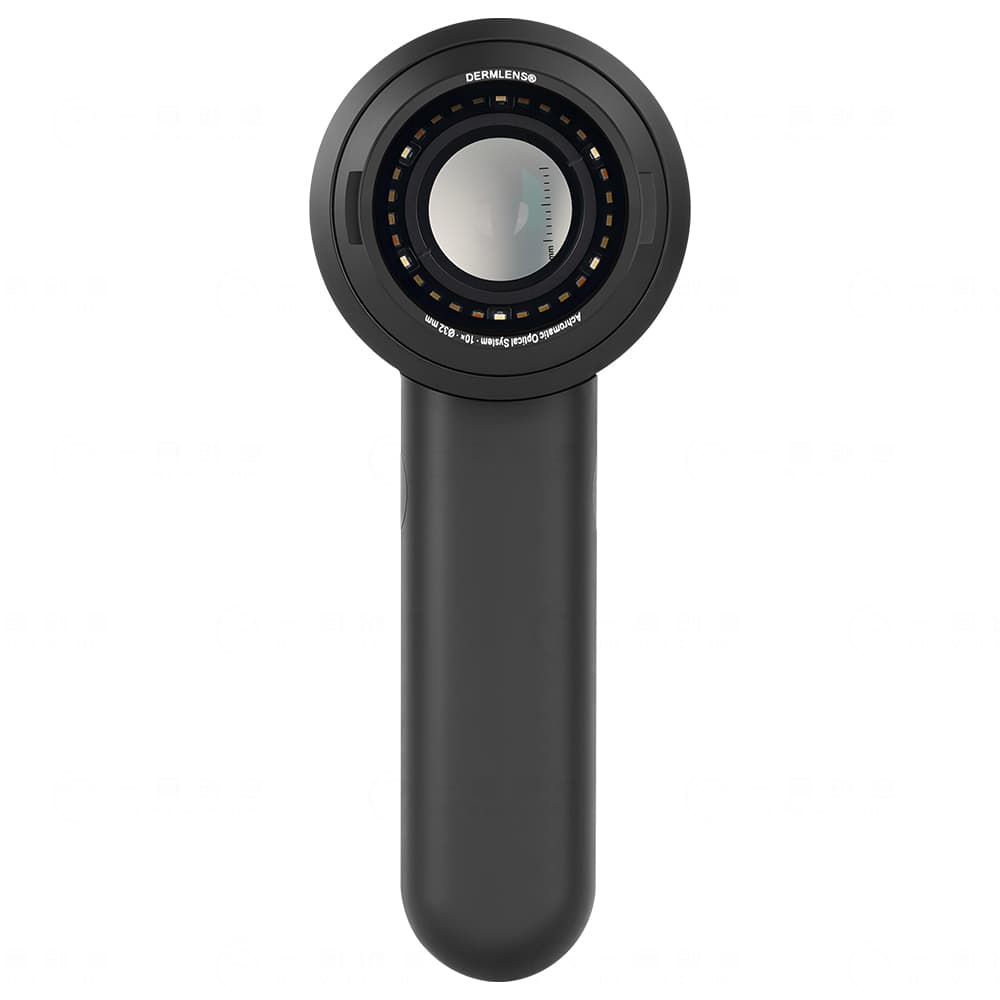
DermLens M6
Professional Smartphone Dermatoscope
A compact, precision optical dermatoscope combining 10× magnification, multiple illumination modes and smartphone imaging for everyday clinical practice.
- 10× Optical Magnification
- Polarised & Non-Polarised Dermoscopy
- Multiple Illumination Modes
- Smartphone Imaging
- USB-C Rechargeable
Precision optics
Clarity begins with glass.
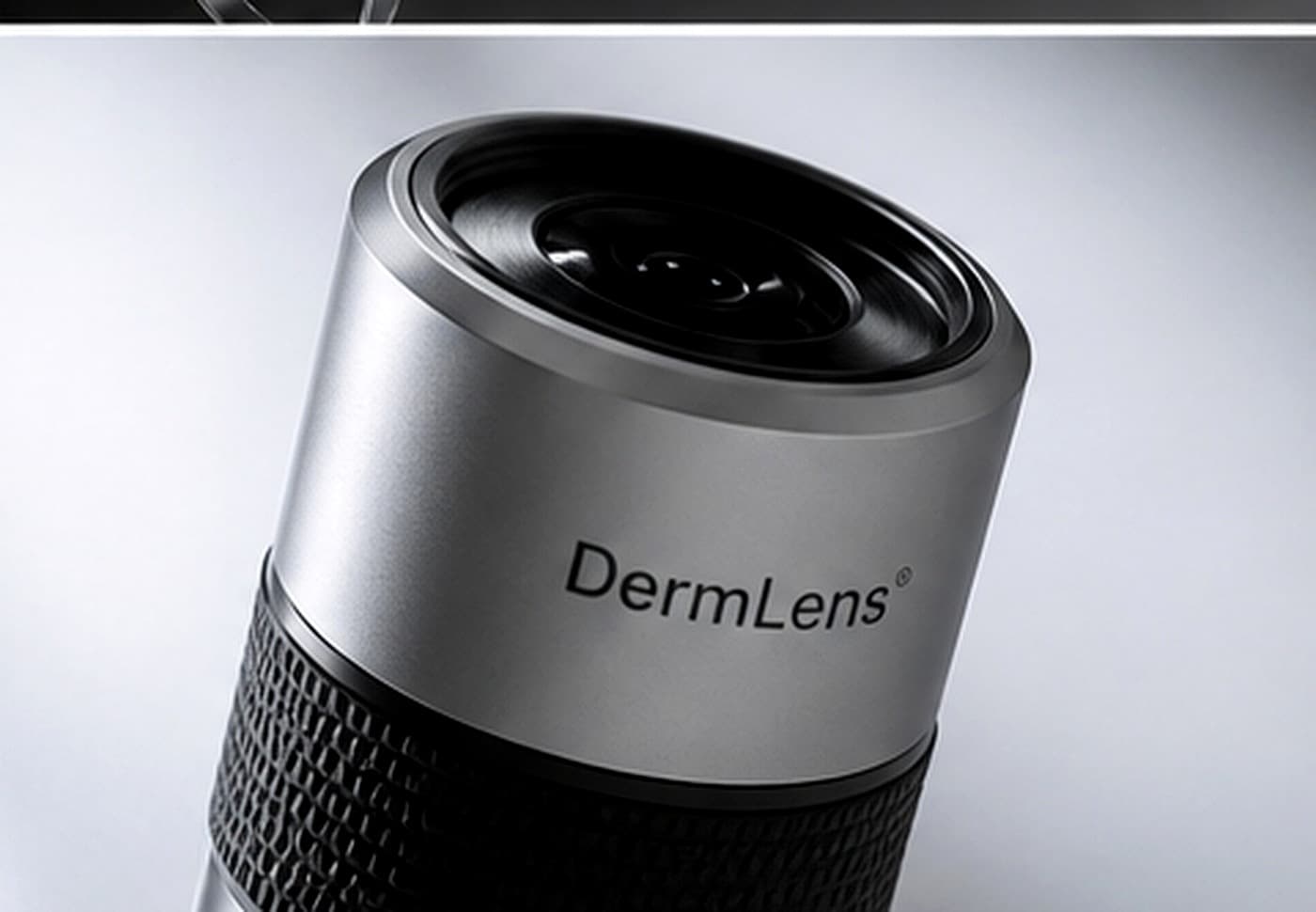
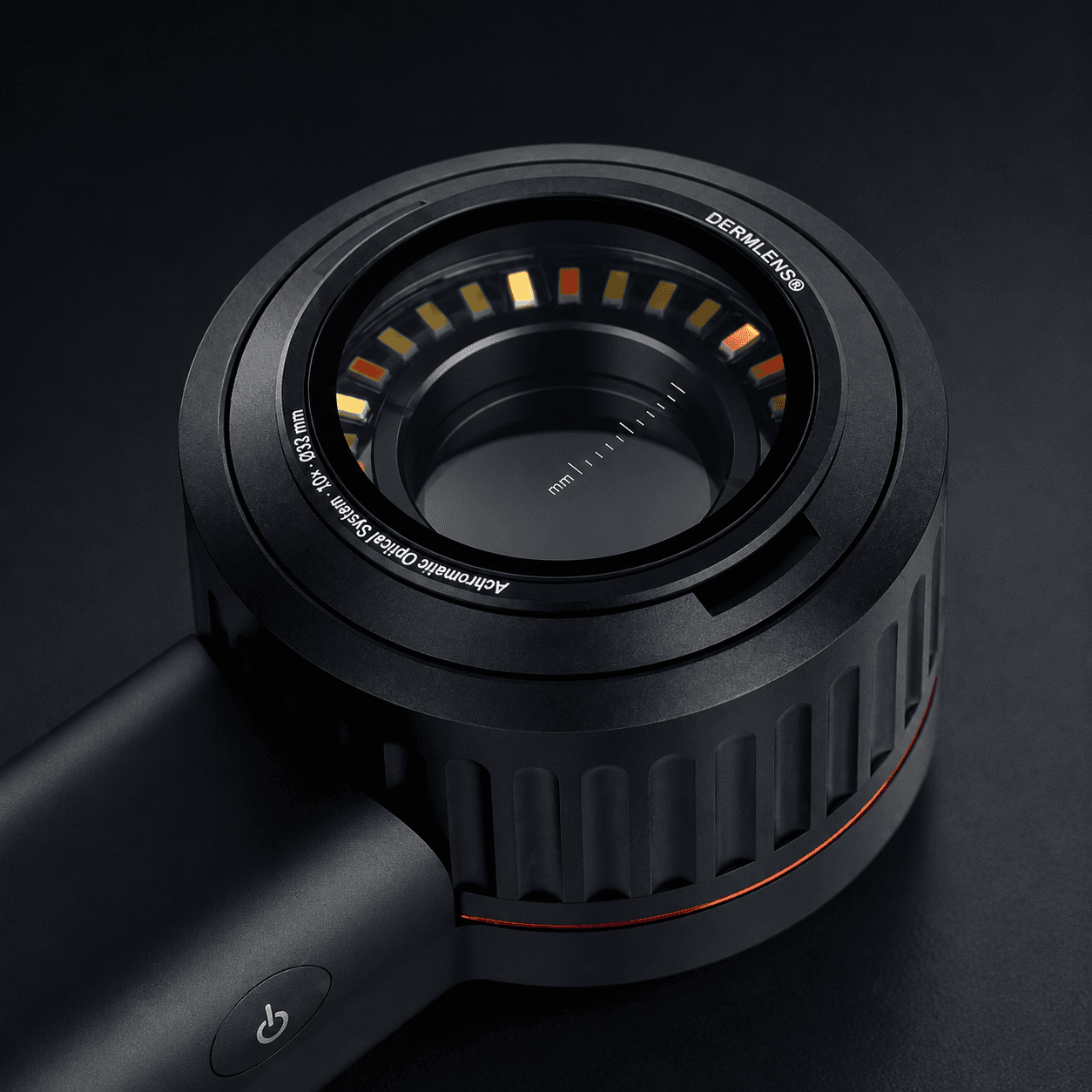
At the heart of every DermLens dermatoscope is its optical system.
Precision optics and controlled illumination are designed to provide a clear, detailed view of skin structures, pigmentation and vascular features — supporting confident dermoscopic examination.
Built around the clinician
From examination to image capture.
DermLens brings dermoscopic examination and smartphone imaging together in a streamlined clinical workflow.
01
Examine
Visualise skin structures using dedicated dermoscopic illumination.
02
Capture
Connect to a compatible smartphone to capture high-quality dermoscopic images.
03
Review
View images immediately as part of the clinical assessment.
04
Document
Create a visual record for clinical documentation, monitoring or appropriate referral pathways.
Clinical gallery
See the detail.
Explore dermoscopic images captured using DermLens and see how precision optics and controlled illumination reveal structures beyond unaided visual examination.
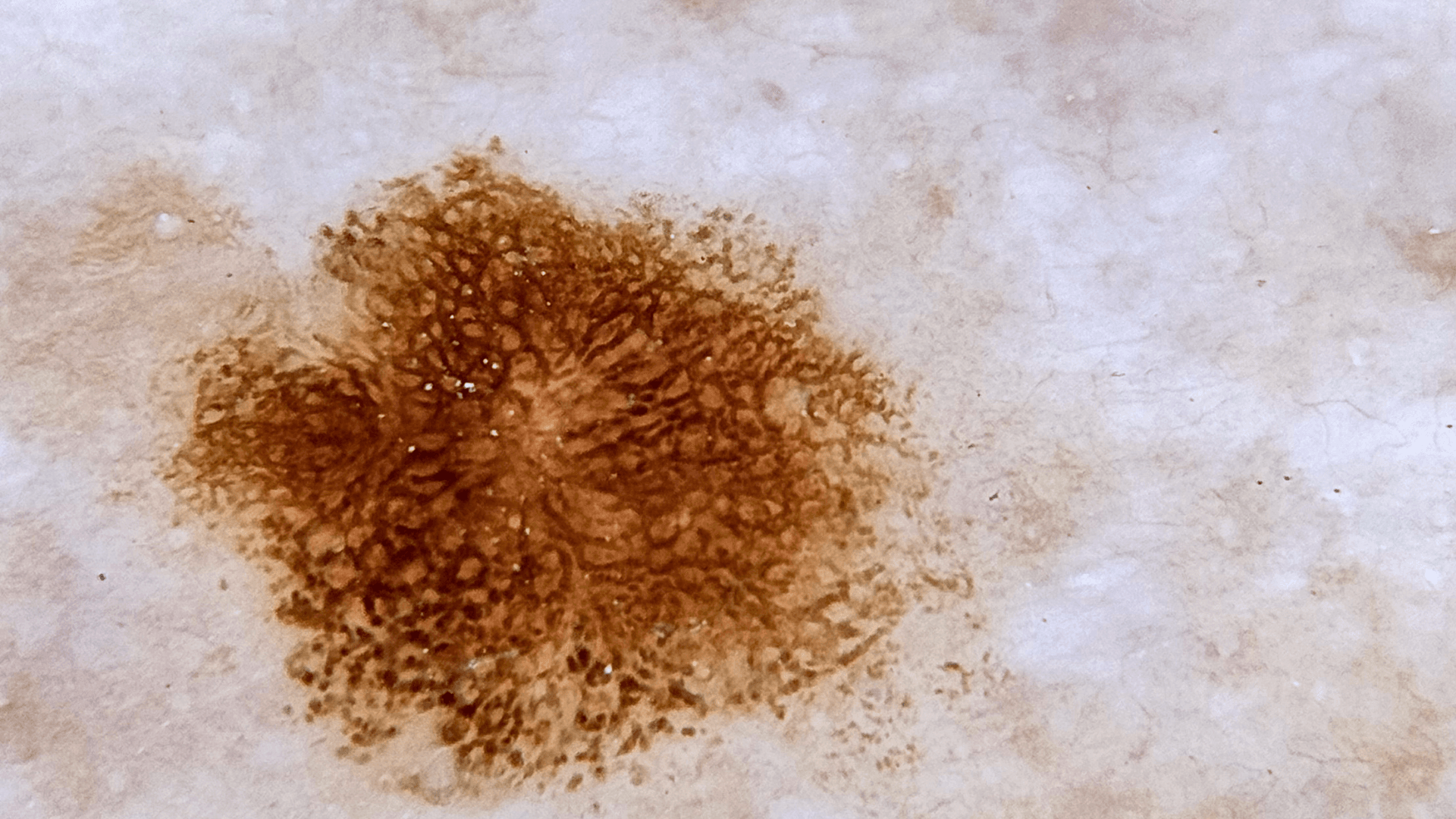
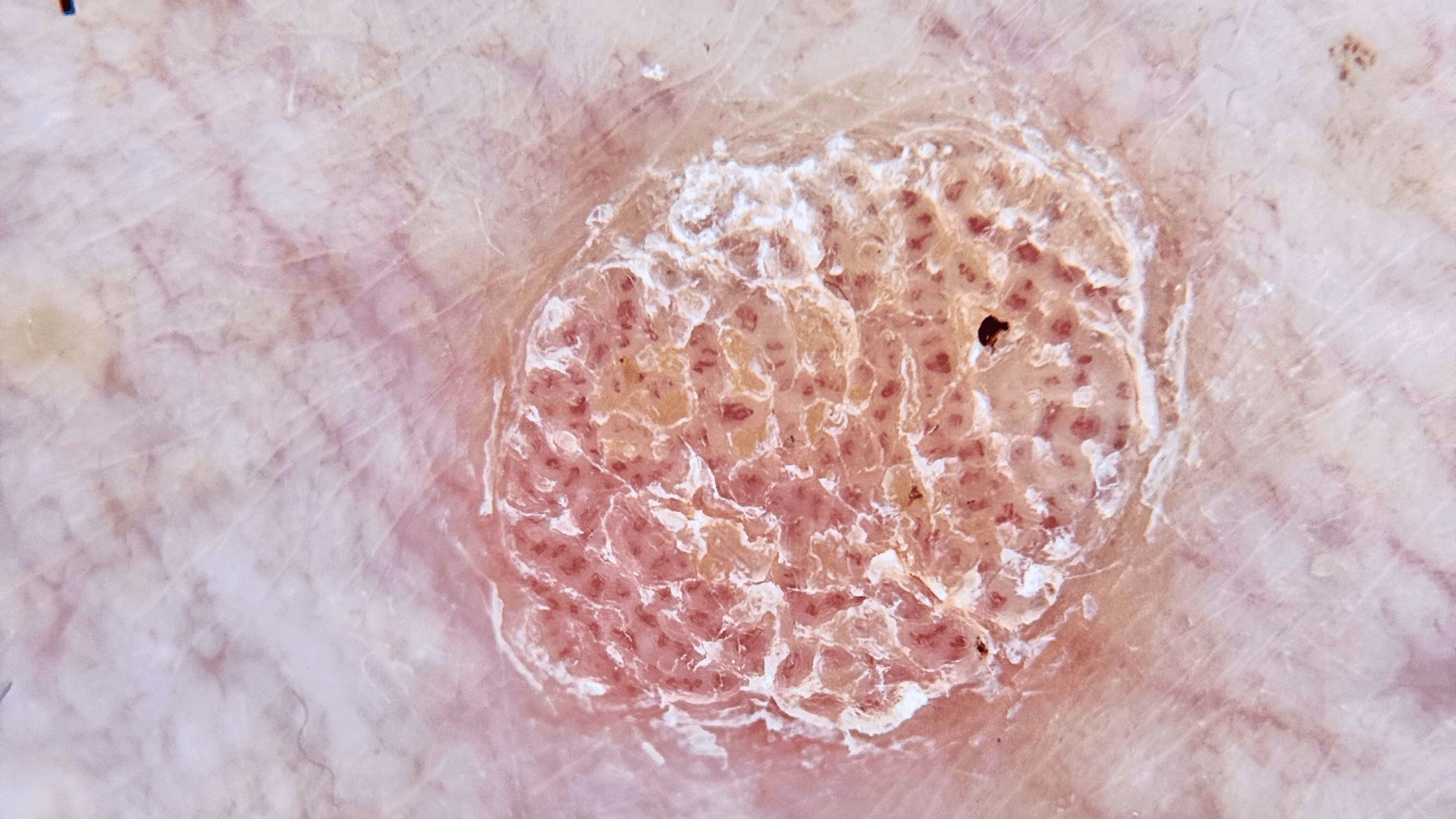
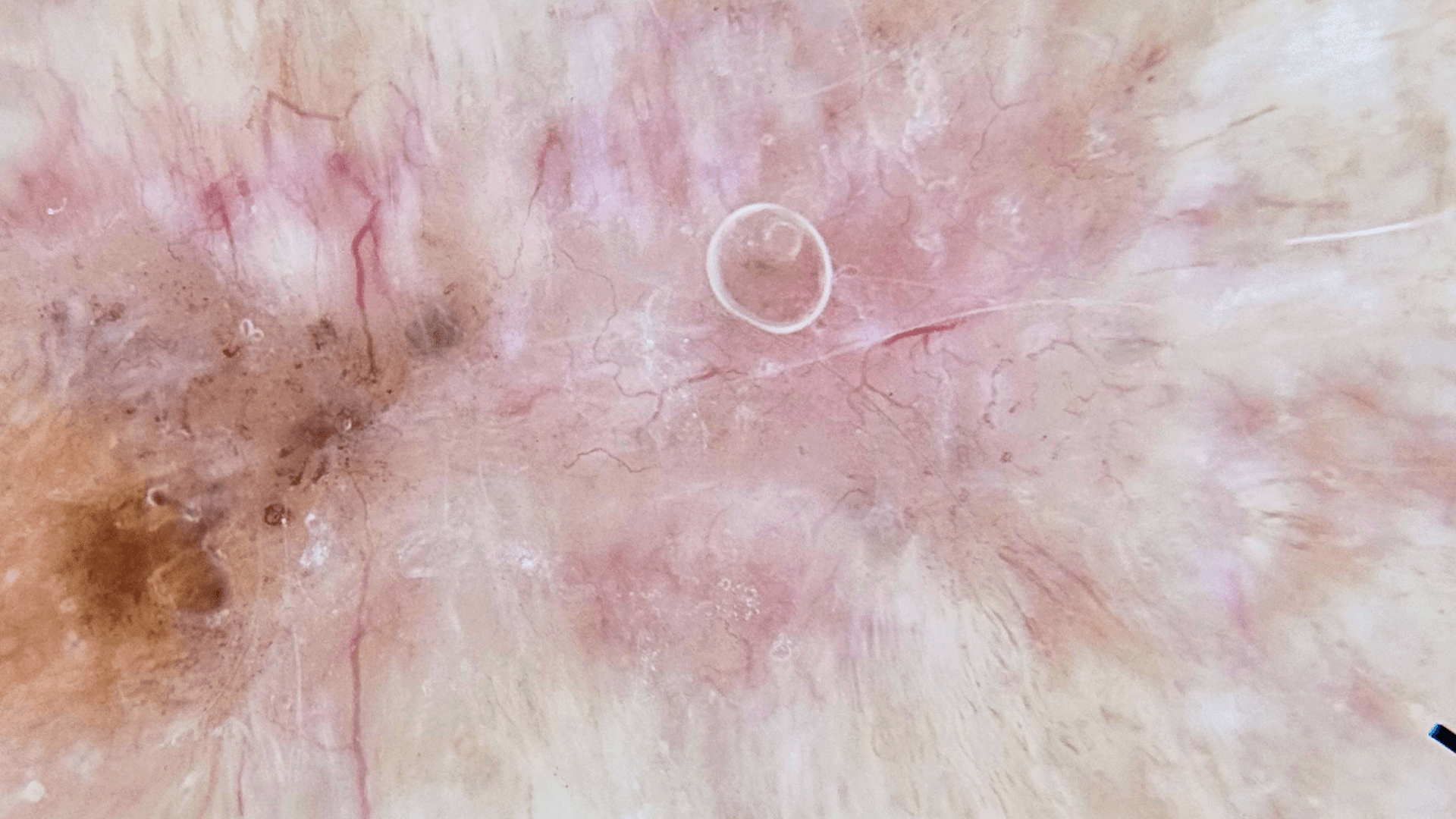
Dermoscopic images are presented for demonstration and educational purposes and should not be interpreted as diagnostic advice.
DermLens accessories
Everything you need for everyday clinical use.
Purpose-designed accessories support smartphone imaging, hygienic examination, charging, protection and ongoing use of your DermLens device.
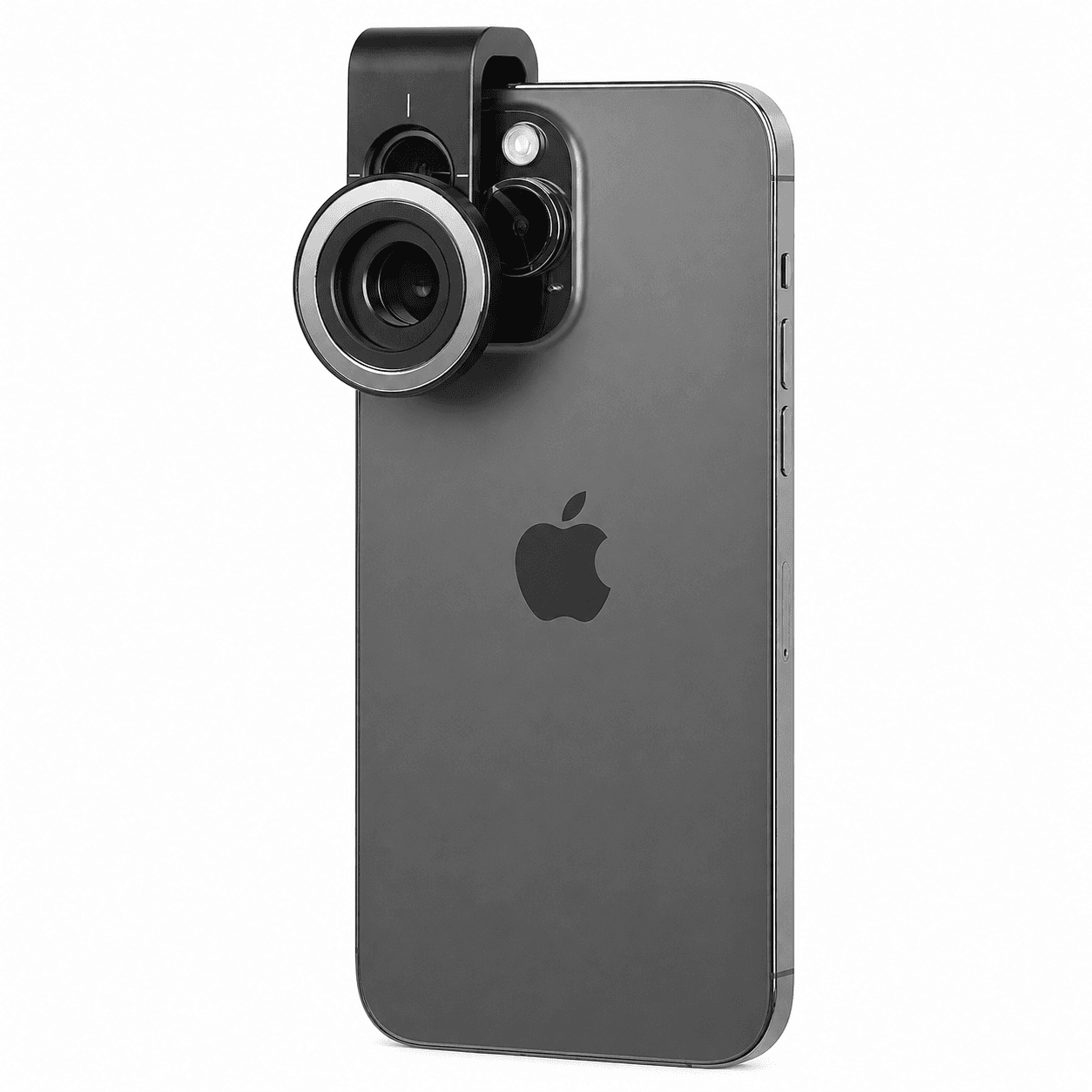
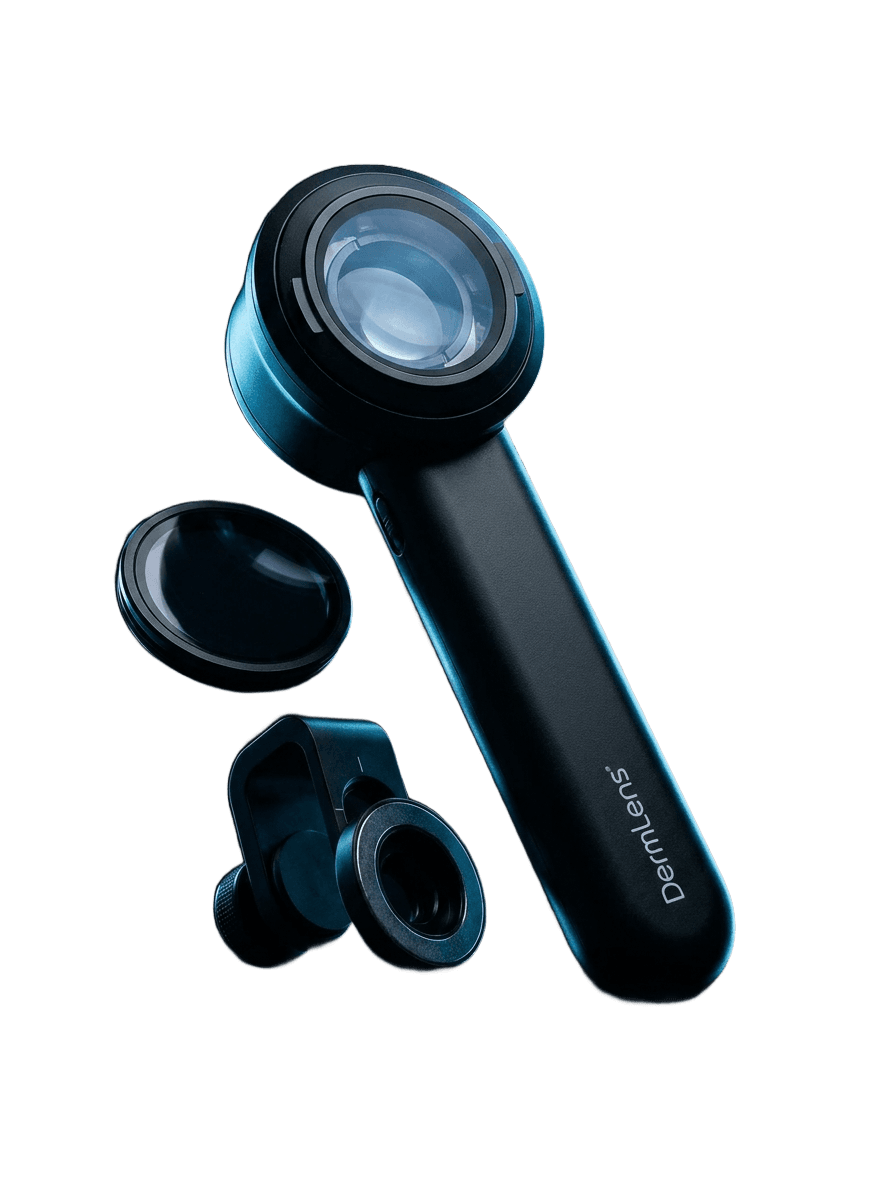
Magnetic Smartphone Adaptor
Simple, repeatable alignment between DermLens and compatible smartphone cameras.
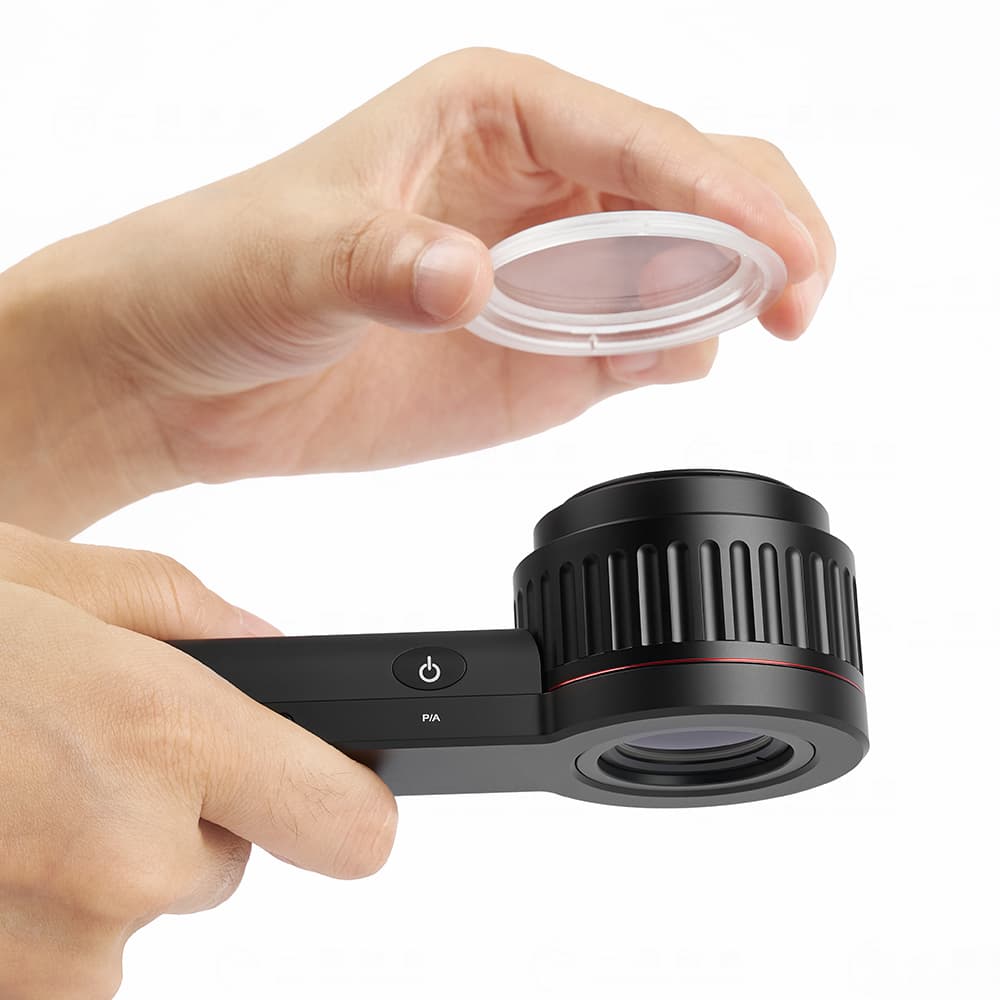
Disposable Caps
Single-use contact caps designed to support hygienic dermoscopic examination between patients.
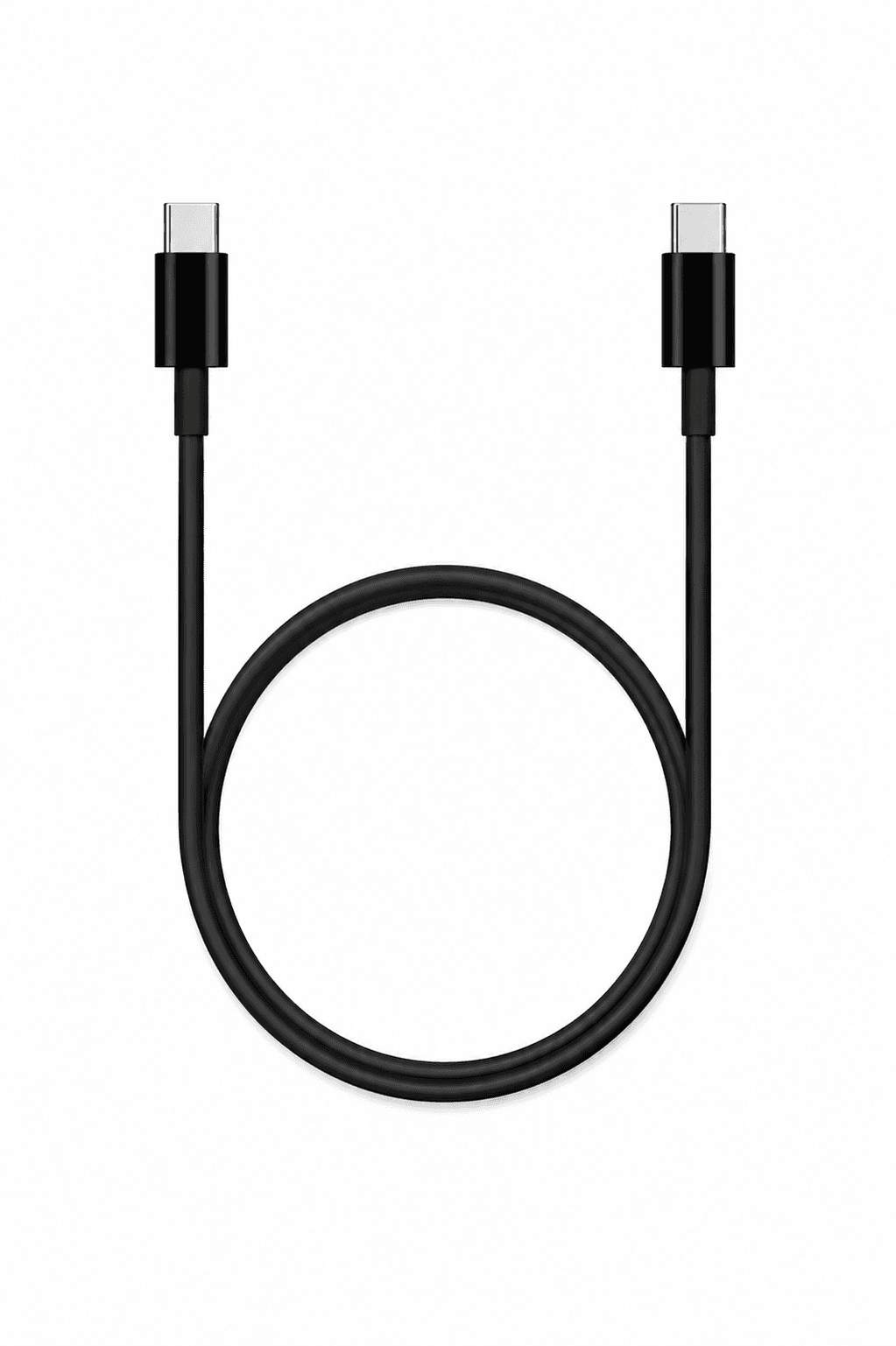
USB-C Charging
Convenient charging for everyday clinical use.
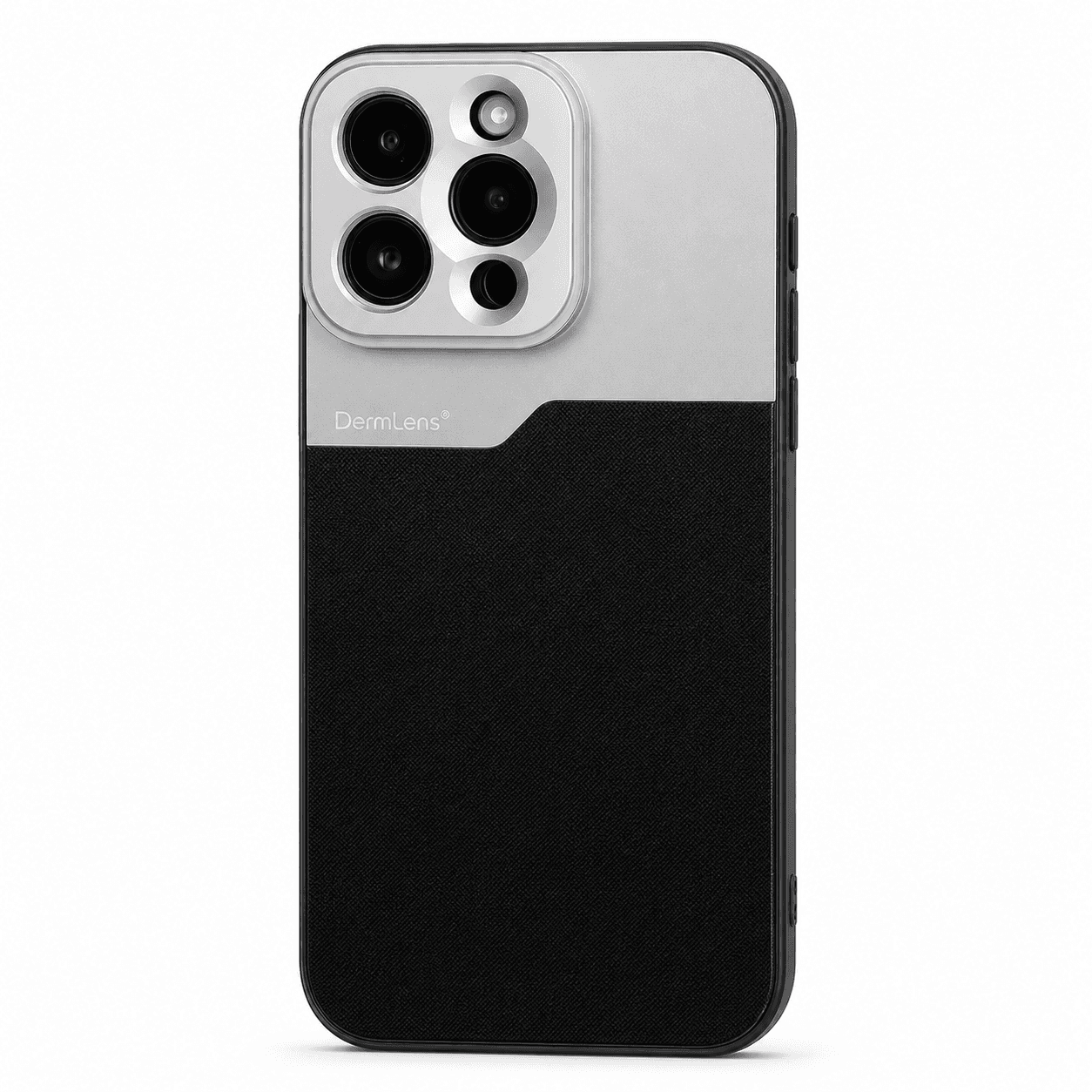
Phone Case
Dedicated smartphone cases designed for quick, secure attachment of your DermLens dermatoscope during clinical imaging.
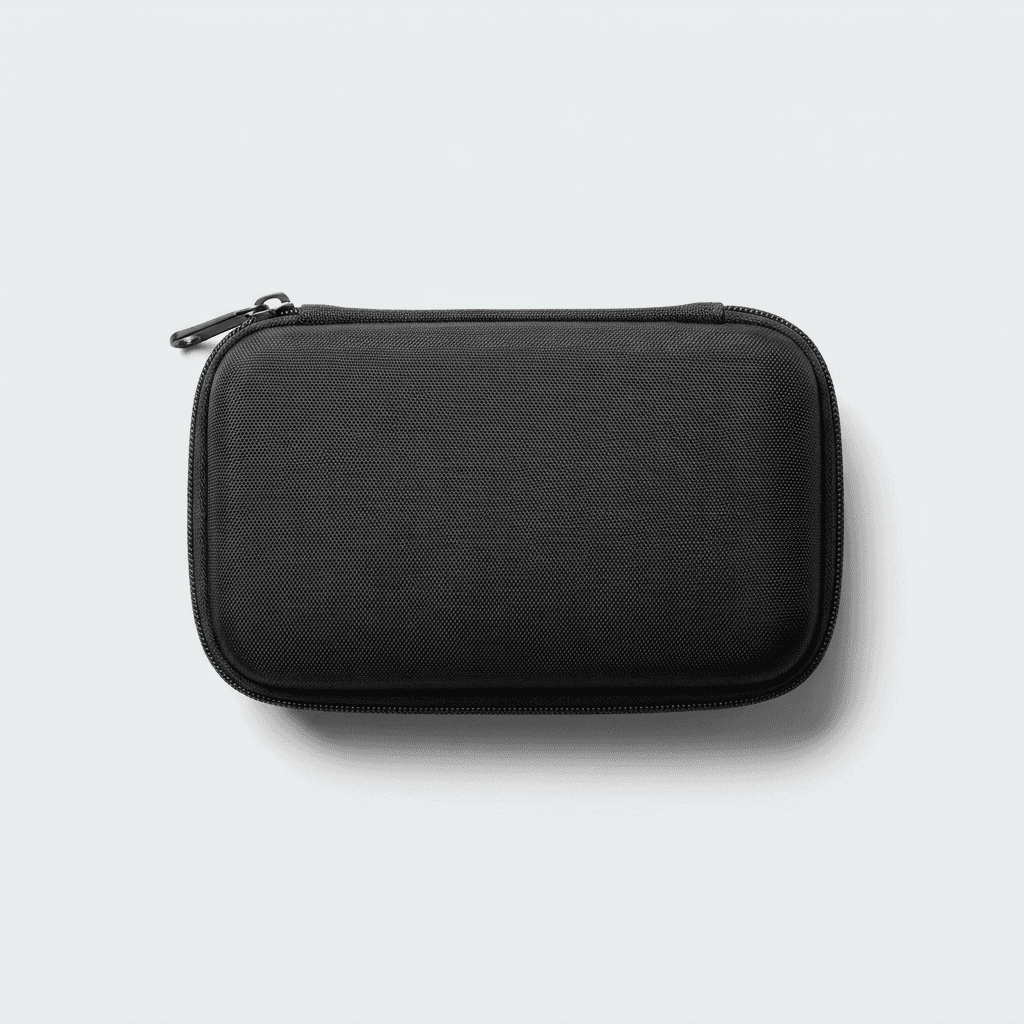
Protective Storage
Protect your DermLens device and accessories between examinations and during transport.
Clinical perspectives
Trusted in clinical practice.
Optical quality
“What impressed me most was the optical clarity. The image is bright, sharp and well defined, with excellent visualisation of pigment and vascular structures. For me, good dermoscopy starts with being able to trust what I can see through the lens.”
Clinical usability
“A dermatoscope is something I use repeatedly during a clinical session, so usability matters. DermLens feels substantial without being cumbersome, the controls are intuitive, and switching between illumination modes is quick. It fits naturally into the way I examine patients.”
Smartphone imaging workflow
“I wanted smartphone dermoscopy to feel like part of the examination rather than an additional process. Being able to move from examining a lesion to capturing a dermoscopic image quickly makes documentation and comparison much more practical in everyday clinical work.”
DermLens®
Discover a better way to see.
Professional dermoscopy combining precision optics, thoughtful design and connected imaging for modern clinical practice.